

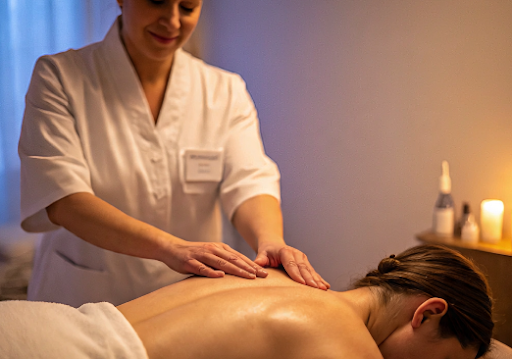
Relaxation has become a rare experience in modern life. Fast schedules, constant notifications, work pressure, and emotional responsibilities keep the body and mind in a near-permanent state of tension. https://www.kakaochuljang.com/suwon Many people turn to medications to cope with stress, anxiety, or restlessness, yet these solutions often address symptoms rather than underlying causes. Massage therapy offers a natural, drug-free way to achieve deep relaxation by working with the body’s own systems rather than overriding them.
Massage therapy encourages relaxation through physical touch, rhythmic movement, and sensory awareness. Instead of forcing the body to calm down, it gently guides it into a state of ease and balance. This natural approach makes massage therapy an effective and sustainable option for relaxation without medication.
Understanding Why the Body Struggles to Relax
The human body is designed to respond to stress in short bursts. However, modern life creates ongoing stimulation that prevents the body from fully settling. When stress becomes constant, muscles remain tense, breathing becomes shallow, and the mind stays alert even during rest.
This persistent activation makes true relaxation difficult. The body forgets how to switch off, leading to restlessness, fatigue, and emotional strain. Massage therapy helps retrain the body by providing clear signals that it is safe to relax, allowing natural calming mechanisms to activate.
The Power of Touch in Promoting Calm
Touch plays a powerful role in human well-being. Gentle, intentional touch sends signals to the brain that encourage comfort and safety. Massage therapy uses structured touch to create a sense of physical and emotional grounding.
As the body receives steady pressure and smooth movements, the brain interprets these sensations as non-threatening. This response reduces alertness and encourages a relaxed state. Unlike medication, which alters brain chemistry directly, massage works through sensory input to create relaxation organically.
Slowing the Stress Response Naturally
One of the key ways massage therapy enhances relaxation is by slowing the body’s stress response. During stressful periods, the body releases chemicals that prepare it for action. While useful in emergencies, prolonged activation of this response leads to tension and exhaustion.
Massage therapy helps shift the body out of this state by promoting slow breathing, reduced muscle tone, and a calmer heart rhythm. As these physical changes occur, the brain receives feedback that stress is no longer present. This process allows relaxation to unfold naturally rather than being chemically induced.
Relaxing Muscles to Calm the Mind
Muscle tension and mental stress are closely connected. Tight muscles constantly send signals of discomfort to the brain, keeping the mind alert and uneasy. Massage therapy addresses this connection by releasing physical tension first.
As muscles soften, the stream of tension signals decreases. This reduction allows the mind to quiet down, making relaxation easier. Many people notice that once their bodies relax, their thoughts slow and emotional pressure eases without conscious effort.
Supporting the Body’s Natural Relaxation Chemicals
The body produces its own chemicals that support relaxation and emotional balance. Massage therapy encourages the release of these natural substances by stimulating nerve endings and improving circulation.
As these chemicals increase, feelings of calm and contentment replace tension and restlessness. This internal shift explains why massage can create a deep sense of well-being without introducing external substances into the body.
Creating a Safe Space for Mental Rest
Modern environments are often noisy and overstimulating, leaving little room for mental rest. Massage therapy sessions are designed to remove distractions and create a peaceful atmosphere where the mind can disengage from constant input.
In this calm setting, the brain is free to rest. Without deadlines, screens, or responsibilities, mental energy can reset. This experience of mental stillness is difficult to achieve through medication alone, as it depends heavily on environmental and sensory factors.
Encouraging Deeper and Slower Breathing
Breathing patterns play a significant role in relaxation. Stress causes breathing to become rapid and shallow, which reinforces feelings of anxiety. Massage therapy naturally encourages slower, deeper breathing.
As the therapist’s movements follow a steady rhythm, the body begins to mirror this pace. Deeper breathing sends calming signals to the nervous system, reinforcing relaxation throughout the body. This breathing shift happens automatically, without conscious control or pharmaceutical intervention.
Reducing Physical Discomfort That Interrupts Relaxation
Physical discomfort is a major barrier to relaxation. Aches, stiffness, and tension prevent the body from fully settling, even when mental stress is reduced. Massage therapy addresses these physical barriers directly.
By easing sore muscles and improving mobility, massage removes sources of discomfort that keep the body on edge. When the body feels comfortable, relaxation becomes more accessible and sustainable.
Promoting Awareness of the Present Moment
Relaxation often requires letting go of worries about the past or future. Massage therapy gently brings attention to the present moment through physical sensation. The mind becomes focused on touch, movement, and breath rather than thoughts and concerns.
This present-moment awareness creates a meditative state where relaxation occurs naturally. Unlike medication, which may dull awareness, massage enhances it in a calming and grounding way.
Helping the Body Relearn Rest
Chronic stress can make relaxation feel unfamiliar or even uncomfortable. Massage therapy helps the body relearn how to rest by repeatedly exposing it to safe, calming experiences.
With regular sessions, the body becomes more efficient at entering relaxed states. Over time, this ability carries into daily life, making it easier to unwind without external aids.
Supporting Emotional Release Without Suppression
Emotional tension often accompanies physical stress. Massage therapy provides a supportive environment where emotions can soften without being suppressed. This emotional release contributes to a sense of relief and relaxation that medication may not fully address.
Rather than masking emotional responses, massage allows them to pass naturally. This gentle processing supports long-term emotional balance and calm.
A Sustainable Alternative to Medication
Medication can be helpful in certain situations, but long-term reliance may come with side effects or dependency concerns. Massage therapy offers a sustainable alternative that supports relaxation without altering the body’s chemistry artificially.
By working with natural systems, massage promotes relaxation that feels authentic and restorative. This makes it suitable for individuals seeking long-term stress management solutions.
Integrating Massage Into Everyday Life
Relaxation should not be limited to rare moments. Massage therapy can be integrated into regular wellness routines, helping individuals maintain calm and balance over time.
Even occasional sessions can create noticeable improvements in relaxation, while consistent massage supports ongoing stress regulation. 인계동 출장마사지 This flexibility makes massage accessible and practical for a wide range of lifestyles.
Conclusion
Massage therapy enhances relaxation without medication by engaging the body’s natural calming mechanisms. Through touch, movement, breath regulation, and sensory awareness, massage gently guides the body and mind into a state of ease.
In a world where stress is often managed through quick fixes, massage therapy offers a thoughtful, natural alternative. By supporting physical comfort, mental clarity, and emotional balance, it provides deep relaxation that is both effective and sustainable. Choosing massage therapy is not just about relaxation—it is about allowing the body to heal and restore itself naturally.
