

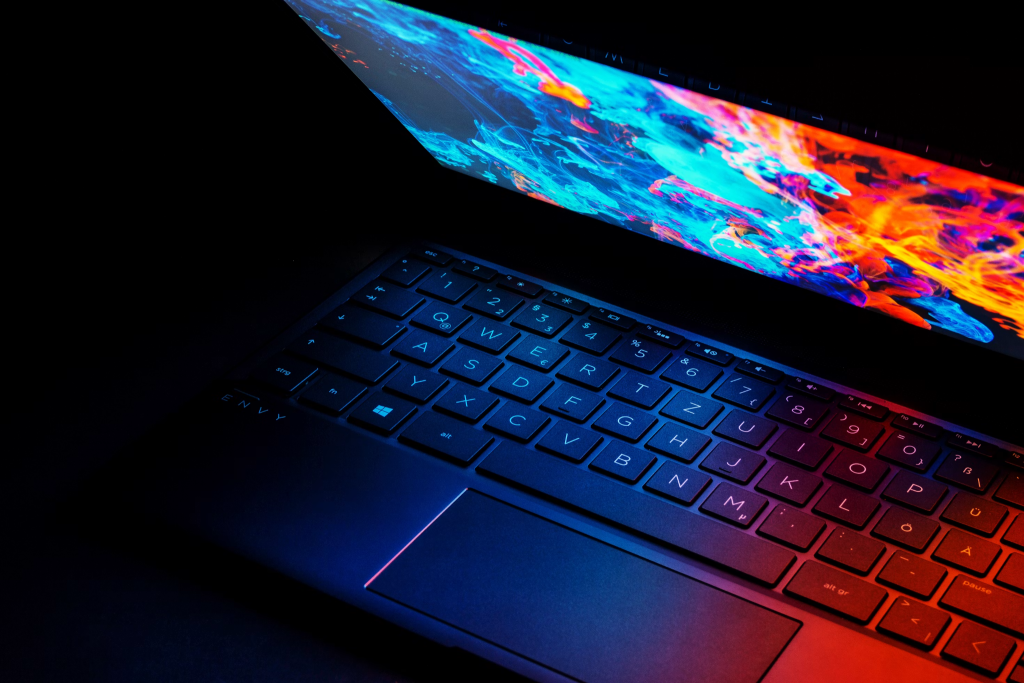
Choosing between a gaming laptop and a desktop PC used to look simple. A desktop was the serious choice, while a laptop was often treated as the compromise. That old picture no longer feels fully accurate. Hardware has changed, gaming habits have changed, and the meaning of a “good setup” now depends less on tradition and more on the way everyday life actually works. For some users, raw power still matters most. For others, flexibility wins the argument before frame rates even enter the room.
That shift can be seen across digital entertainment in general, where convenience often shapes behaviour as strongly as performance. A platform such as spinfin fits naturally into that wider low-friction culture, where ease of access carries real value. Gaming hardware now follows a similar pattern. A setup is no longer judged only by what it can do on paper. A setup is also judged by how easily it fits into the day, the room, the schedule, and the kind of play that happens most often.
The Desktop Still Holds the Crown for Pure Performance
A desktop PC keeps one major advantage that refuses to go out of fashion: power. Bigger cooling systems, easier upgrades, stronger long-term value, and more room for customisation all help desktops stay ahead in raw performance. A well-built desktop can handle demanding games with more confidence, often at a lower cost than a laptop with similar ambitions.
That matters for anyone who cares deeply about high settings, steady temperatures, larger monitors, and the option to upgrade parts over time instead of replacing the entire machine. A desktop also feels more comfortable in a long-session environment. The screen can be chosen separately. The keyboard and mouse can be chosen separately. The whole setup can be built around posture, space, and personal taste.
There is also a financial angle that refuses to disappear. Desktops often offer better performance per dollar. That fact still hits like cold water when comparing specs.
Gaming Laptops Changed the Conversation
Gaming laptops, however, are no longer weak guests trying to sit at the grown-up table. Modern models became much more serious. Better graphics, stronger processors, sharper screens, and improved cooling gave portable systems a real place in the discussion. A gaming laptop can now run modern titles impressively well while also solving a problem desktops cannot solve at all: movement.
A laptop can move from desk to sofa, from home to another city, from study space to weekend trip without much ceremony. That freedom matters more now because gaming does not always happen in one fixed room. Work, study, travel, and limited living space all changed what “practical” means.
Where Desktop PCs Usually Win
- Stronger cooling under heavy load
- Better upgrade options over time
- Higher performance for the price
- Easier pairing with larger monitors
- More freedom to customise each part
- Better long-session comfort in a fixed setup
None of this makes desktops automatically better for every person. It simply means the old strengths are still real.
Portability Is No Longer a Small Bonus
The biggest strength of a gaming laptop is obvious, but still important: portability. That word can sound small until daily life gets involved. A person living in a smaller room, moving between homes, studying in one place and gaming in another, or simply preferring flexibility may value portability more than extra power.
A gaming laptop also works well for mixed use. The same machine can handle work, university tasks, streaming, browsing, and gaming without turning the room into a shrine dedicated to RGB lighting and cable management. For a lot of people, that balance matters. A desktop may be stronger, but a laptop may fit life better.
There is a catch, of course. Portability usually comes with heat, noise, less upgrade freedom, and a higher price for similar performance. A laptop solves one problem by accepting a few others. That is the trade.
Hidden Costs Matter More Than First Impressions
The flashy part of the comparison usually sits in the specs, but the quieter costs matter too. A desktop may need a monitor, keyboard, mouse, speakers, desk space, and possibly better cooling in the room. A laptop includes more in one package, but upgrades are limited and repairs can be less friendly.
Where Gaming Laptops Usually Make More Sense
- Smaller living spaces with limited room
- Users who travel or move often
- People who want one machine for work and gaming
- Players who value flexibility over top-end power
- Buyers who prefer less setup complexity
- Situations where a fixed gaming station feels impractical
This is why the decision should never be made by specs alone. Hardware is one part of the story. Lifestyle is the other half.
Choosing the Better Setup Means Choosing Honestly
Gaming laptops and desktop PCs both make sense, but not for the same reason. A desktop remains the stronger option for power, cooling, upgrades, and traditional long-term value. A gaming laptop wins on movement, simplicity, and the ability to fit around real life instead of demanding that life fit around it.
That is really the whole question. Not which setup looks more serious online. Not which one wins the loudest argument in a comment section. The better setup is the one that matches the actual way gaming happens. A machine can be powerful and still be wrong for the room, the routine, or the budget. Choosing well means being honest about the day-to-day pattern, not chasing the most dramatic spec sheet.
In the end, the right setup is not the one with the biggest reputation. It is the one that gets used comfortably, regularly, and without regret.
