

Introduction
Choosing an espresso machine for your home is an important decision, especially when you want to enjoy quality coffee without making the brewing process too complicated. With many machines available, it can be difficult to understand which features matter most and how different systems support your daily coffee routine. A good machine should make it easier to grind fresh beans, prepare espresso, steam milk, and achieve consistent results. Understanding these features before making a purchase can help you choose equipment that matches your needs, experience, and available space.
A Meraki espresso machine buyer’s guide can help you explore the main features of an integrated coffee system and understand what to consider before investing in one. Instead of focusing only on appearance or individual specifications, it is useful to examine the complete brewing workflow. Grinder performance, temperature control, water pressure, measurement tools, and ease of use all influence the experience. By learning how these elements work together, home coffee enthusiasts can make a more informed decision and build a setup that supports their preferred drinks.
Understanding What Makes an Espresso Machine Suitable for Home Use
The first step in choosing an espresso machine is understanding how you plan to use it. Some people enjoy preparing one espresso in the morning, while others regularly make cappuccinos, lattes, and multiple drinks for family members or guests. These different habits can influence the type of machine that makes the most sense. A compact setup may be enough for occasional brewing, but someone who prepares several drinks each day may benefit from equipment with more integrated features.
An effective home espresso machine should offer a practical balance between performance and convenience. Consider how much preparation is required, how easily you can adjust brewing settings, and whether the machine supports both espresso preparation and milk steaming. It is also worth thinking about counter space, cleaning requirements, and the learning process. A machine with many features can be useful, but those features should serve a clear purpose in your everyday routine.
The Meraki system is designed around an integrated approach to home espresso preparation. Its workflow brings several important functions together, helping users manage grinding, brewing, steaming, and weighing within one system. This approach can be appealing to people who want a more organized coffee station instead of purchasing several separate pieces of equipment.
Exploring the Benefits of an Integrated Grinder and Brewing System
Freshly ground coffee plays an important role in espresso preparation. Coffee begins losing some of its aroma and freshness after grinding, which is why many home baristas prefer grinding beans shortly before brewing. An integrated grinder can make this process more convenient by keeping grinding and espresso preparation within the same setup. It can also reduce the need for extra counter space and separate equipment.
When comparing machines, pay attention to grinder adjustment options. Different coffee beans and roast levels may require different grind sizes to produce a balanced shot. A grind that is too coarse can allow water to pass through too quickly, while an overly fine grind may slow extraction. Having suitable adjustment options gives users more control when experimenting with different beans and brewing preferences.
For shoppers comparing integrated equipment, the Meraki espresso machine buyer’s guide provides a useful starting point for understanding the machine's combined workflow and the role of its main features. Exploring the guide can help readers consider how grinding, brewing, steaming, and measurement fit together before choosing a home espresso setup. It is also useful to compare these features with personal expectations rather than assuming that every available function will be equally important.
Examining Dual Boilers, Temperature Control, and Brewing Performance
Temperature stability is an important part of preparing espresso. Water that is too hot or too cool can affect extraction and change the final taste. A reliable machine should support a controlled brewing process so users can work toward consistent results. Although coffee beans, grind size, and dose also matter, stable equipment makes it easier to understand how small adjustments influence each cup.
Dual-boiler technology is another feature worth considering, particularly for people who enjoy milk-based drinks. A dual-boiler system uses separate boilers for espresso preparation and steam production. This arrangement allows the machine to support brewing and milk steaming at the same time, making the workflow more convenient when preparing cappuccinos or lattes. Instead of waiting for one heating system to switch between different tasks, users can manage both parts of the drink preparation process more efficiently.
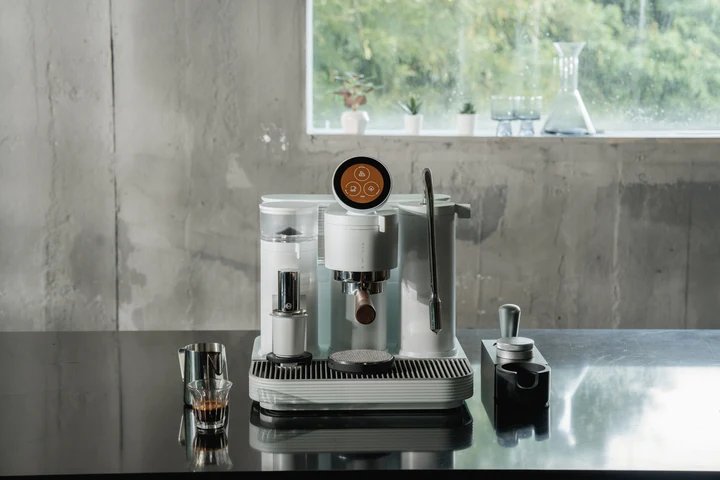
The Meraki espresso machine includes a dual-boiler design, along with a rotary pump and integrated scales, according to its product information. These features contribute to its overall preparation system. The integrated scales are useful because accurate measurements can help users repeat a recipe, while the pump supports the machine's water delivery system. When evaluating equipment, it is important to understand what each feature does and how it supports the type of coffee you normally prepare.
Reviewing the Meraki Espresso Machine and Its Main Features
Before making a final decision, examine the actual product specifications and understand how they relate to your daily needs. A machine may look attractive, but its practical value comes from the functions it offers and how easily those functions fit into your routine. Look at the grinder, brewing system, steam performance, measurement options, and available controls. Also check the product listing for the current configuration and purchasing terms rather than relying on outdated descriptions.
The Meraki espresso machine brings grinding, brewing, steaming, and weighing into one integrated home coffee system. Its listed features include a built-in grinder, dual boilers, integrated scales, a rotary pump, and a touchscreen interface. Bringing these elements together can reduce the need to coordinate several separate machines. For people who enjoy preparing coffee regularly, an organized setup may make the overall process easier to manage.
It is also helpful to think about the experience level of the person using the machine. Beginners may appreciate a more organized workflow, while experienced home baristas may focus more closely on adjustment options and control over preparation. Neither group should choose equipment based only on the number of features available. The best decision comes from understanding which functions will actually be used and whether the machine matches the user's expectations.
Considering Maintenance, Accessories, and Long-Term Value
Buying an espresso machine is not only about the initial purchase. Regular cleaning and basic maintenance help keep coffee equipment in good working condition. Coffee oils and fine grounds can build up over time, while milk residue needs attention after steaming. Following the manufacturer's cleaning instructions is important because different machines may have specific care requirements. A simple routine can make daily use more convenient and help prevent avoidable problems.
Accessories can also influence the overall home brewing experience. Items such as suitable portafilters, cleaning tools, and other barista equipment may support preparation and maintenance. However, buyers should check compatibility before purchasing additional items. A tool that works with one machine may not fit another, so confirming the model and specifications is a sensible step.
Long-term value should include more than the purchase price. Consider how frequently you will use the machine, the functions you need, the cost of suitable accessories, and the time required for cleaning. It is also useful to review warranty information, shipping conditions, and customer support arrangements before ordering. Taking these details into account helps you compare equipment more carefully and avoid making a decision based only on appearance or promotional claims.
Conclusion
Choosing the right home espresso machine becomes easier when you understand your coffee habits and know which features support your daily routine. Grinder quality, brewing consistency, temperature control, steam performance, and measurement options all contribute to the overall experience. An integrated system may be a practical choice for people who want several important preparation functions in one organized setup.
The Meraki espresso machine offers a combination of grinding, brewing, steaming, and weighing features designed for home coffee preparation. Its built-in grinder, dual boilers, rotary pump, integrated scales, and touchscreen provide several elements worth considering when comparing equipment. By reviewing product specifications, understanding maintenance needs, and checking compatibility before purchasing, buyers can make a more confident decision. Ultimately, the right espresso machine is one that fits your space, supports your preferred drinks, and makes preparing coffee at home an enjoyable part of everyday life.
