

Every classroom contains students with diverse learning needs, interests, abilities, and backgrounds. Differentiated instruction recognizes this diversity and responds by providing multiple pathways for students to access content, process information, and demonstrate learning. Rather than teaching to the middle and hoping most students keep up, differentiation ensures that all learners are appropriately challenged and supported. Teachers who differentiate effectively create inclusive classrooms where each student can succeed. Modern tech tools have expanded possibilities for differentiation, allowing for more personalized learning experiences than ever before.
Understanding the Three Elements of Differentiation
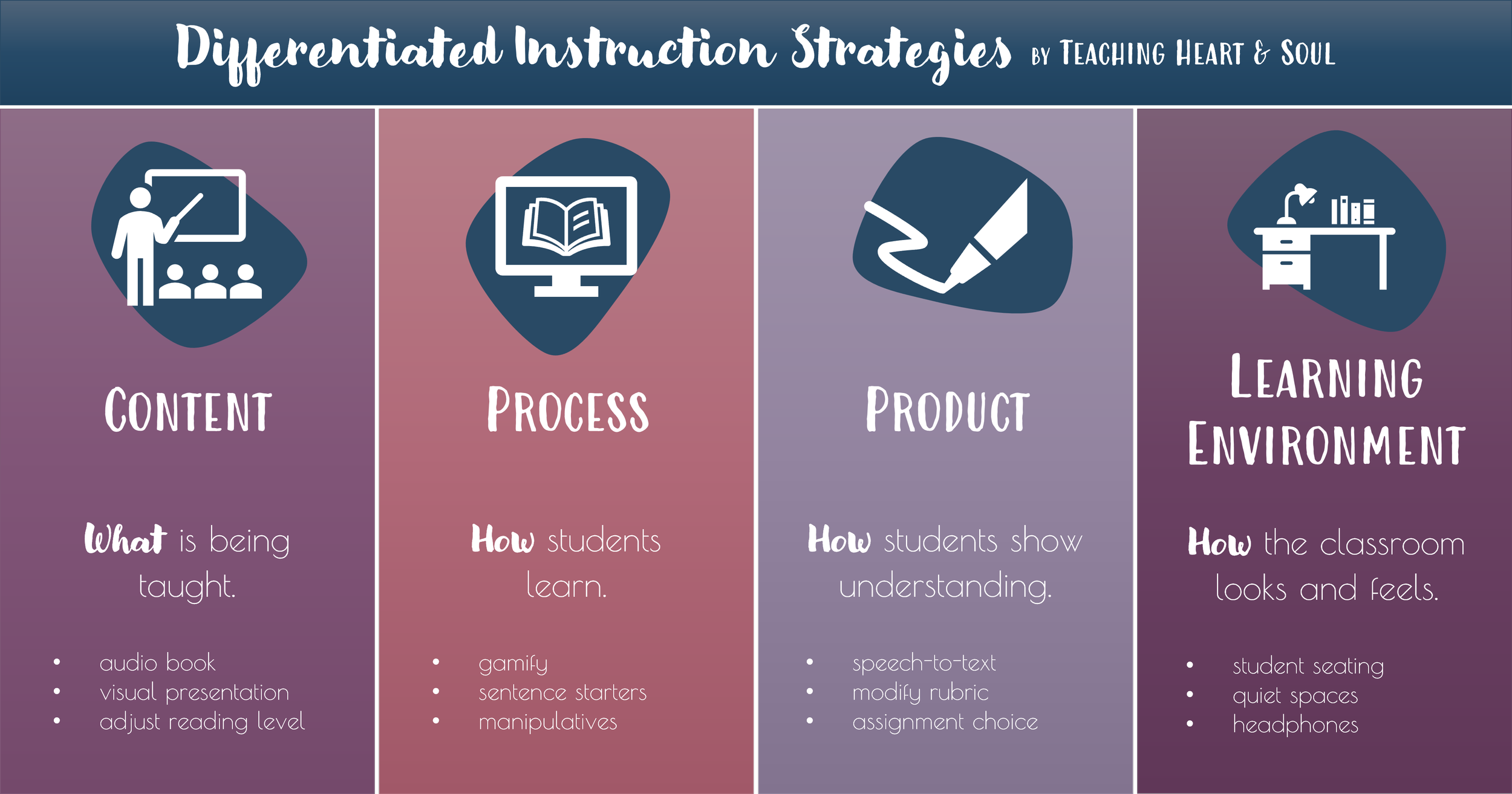
Differentiation can occur in three primary areas: content, process, and product. Content differentiation involves varying what students learn or how they access information, such as providing texts at different reading levels or offering multiple resources on the same topic. Process differentiation changes how students make sense of content, perhaps through varied activities, grouping strategies, or scaffolding levels. Product differentiation allows students to demonstrate learning in different ways, such as through written reports, presentations, artistic creations, or multimedia projects. Effective differentiation often combines these elements to create truly responsive instruction.
Assessing Student Readiness, Interest, and Learning Profile
Successful differentiation begins with knowing your students. Teachers must assess student readiness—their current knowledge and skill levels relative to learning goals. Pre-assessments, formative assessments, and ongoing observation help teachers understand where each student stands. Interest inventories reveal what topics and activities engage different students, allowing teachers to design learning experiences that capitalize on student motivation. Understanding learning profiles—including learning preferences, strengths, and challenges—helps teachers provide appropriate supports and challenges. This comprehensive understanding of students enables teachers to make informed differentiation decisions.
Practical Differentiation Strategies for Any Classroom
Numerous practical strategies make differentiation manageable for busy teachers. Tiered assignments provide different levels of complexity for the same learning objective, ensuring all students work toward the same goal at appropriate challenge levels. Learning stations or centers allow students to engage with content through varied activities, with teachers strategically assigning students to stations based on their needs. Flexible grouping—changing group composition based on the task and learning goals—ensures students work with diverse peers and receive targeted instruction. Choice boards give students agency in selecting how they’ll learn or demonstrate understanding while ensuring all options address key learning objectives.
Using Technology to Support Differentiation
Technology offers powerful tools for differentiation, enabling personalization at scale. Adaptive learning platforms adjust difficulty based on student performance, providing individualized practice. Digital resources allow students to access content in multiple formats—text, audio, video—supporting different learning preferences and needs. Online collaboration tools enable flexible grouping and peer learning regardless of physical classroom constraints. Assessment technologies provide immediate feedback and detailed data to inform instructional decisions. However, technology should enhance rather than replace thoughtful teacher decision-making about how to best meet individual student needs.
Conclusion
Differentiated instruction transforms classrooms from one-size-fits-all environments into responsive learning communities where each student’s needs are recognized and addressed. While differentiation requires careful planning and ongoing assessment, the results—increased student engagement, achievement, and confidence—make the effort worthwhile. As educators continue to embrace inclusive practices and leverage available tools and strategies, differentiation becomes not an additional burden but an integral part of effective teaching. By meeting students where they are and providing appropriate pathways forward, differentiated instruction ensures that all learners can access rigorous, meaningful education.
