

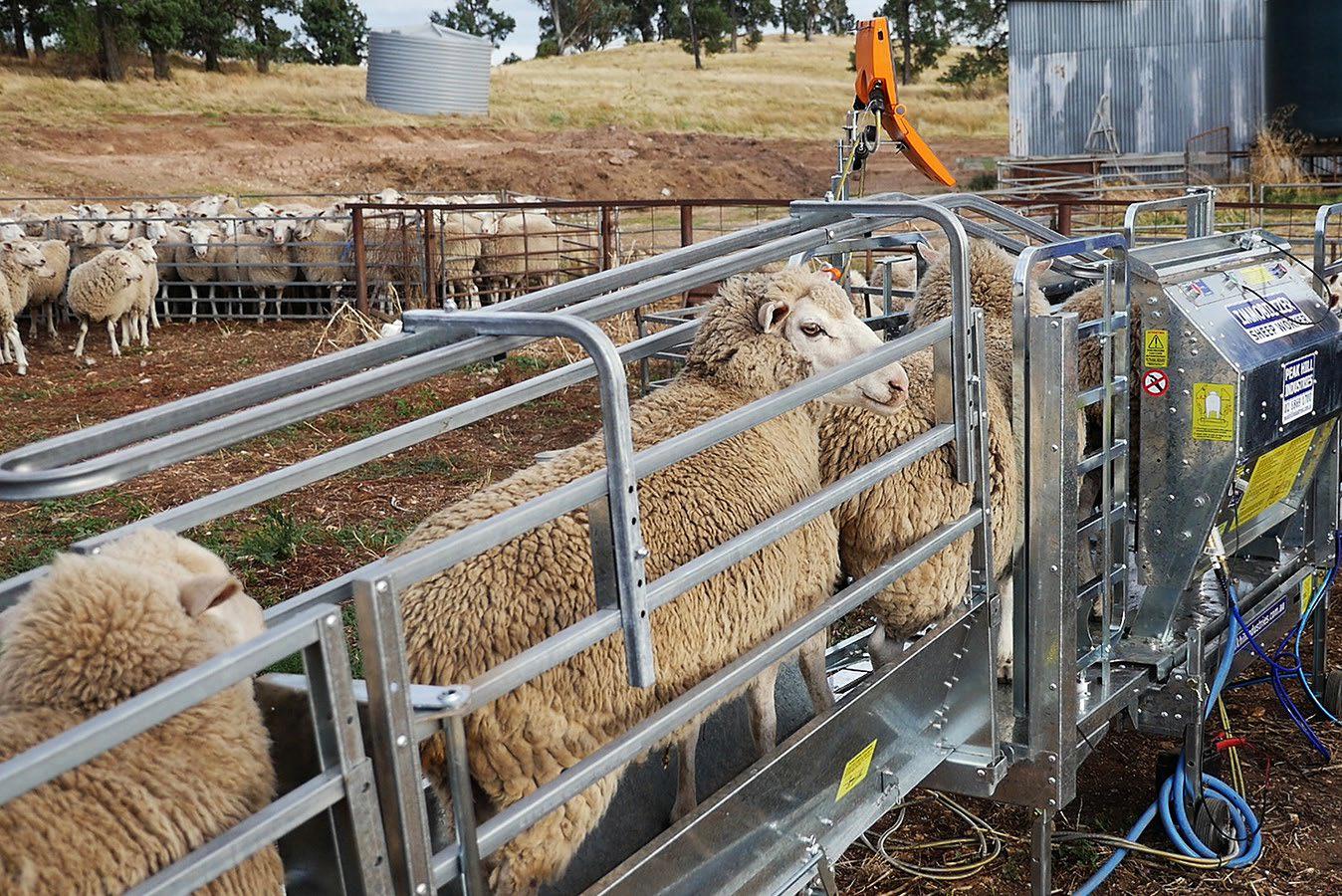
Efficient livestock management depends heavily on using the right tools, especially when it comes to handling sheep. Whether managing a small flock or a large-scale operation, proper equipment not only improves productivity but also ensures the safety and well-being of both animals and handlers. Understanding the available options makes it easier to choose solutions that align with your specific needs.
Why Sheep Handling Equipment Matters
Handling sheep without the right equipment can be time-consuming, stressful, and even dangerous. Sheep are naturally flock-oriented animals, but they can become anxious when separated or moved improperly. Well-designed equipment simplifies tasks like sorting, health checks, and transportation while minimizing stress on the animals.
Investing in reliable tools also reduces physical strain on handlers, making daily operations smoother and more efficient.
Different types of sheep handling equipment
A wide range of equipment is available to support various handling tasks. Each type serves a specific purpose, helping streamline flock management.
Handling yards are essential for organizing sheep during routine activities. These enclosed spaces guide movement and keep animals grouped together. Raceways, or lanes, are used to direct sheep in a controlled manner, making it easier to move them from one area to another.
Drafting gates are particularly useful for sorting sheep based on size, weight, or health condition. These gates allow handlers to separate animals quickly without causing confusion or distress.
Another important tool is the sheep handler or restrainer, designed to hold sheep securely during procedures such as shearing, hoof trimming, or medical treatment. This equipment ensures precision while keeping both the animal and handler safe.
Loading ramps also play a key role, especially when transporting sheep. They provide a smooth transition between ground level and vehicles, reducing the risk of injury during loading and unloading.
Key Features to Consider When Choosing Equipment
Selecting the right equipment involves more than just functionality. Durability is a major factor, as equipment must withstand constant use and exposure to outdoor conditions. Galvanized steel is commonly used due to its resistance to rust and wear.
Ease of use is equally important. Equipment should be designed to work with the natural movement of sheep, allowing handlers to guide animals without excessive force. Adjustable components can add flexibility, making it easier to adapt to different flock sizes.
Safety features should never be overlooked. Smooth edges, secure latches, and stable structures help prevent injuries and ensure reliable operation.
Balancing Cost and Long-Term Value
While initial cost is a consideration, long-term value often matters more. High-quality equipment may require a larger upfront investment, but it typically lasts longer and performs more reliably. This reduces maintenance costs and downtime over time.
Farmers exploring sheep handling equipment for sale often weigh these factors carefully, aiming to find solutions that deliver both performance and durability. Choosing wisely can significantly improve efficiency and overall workflow.
Improving Efficiency and Animal Welfare
Proper handling equipment not only speeds up daily tasks but also supports better animal welfare. When sheep are guided smoothly and handled gently, stress levels decrease, leading to healthier animals and improved productivity.
Efficient systems also allow handlers to complete tasks more quickly, freeing up time for other important aspects of farm management.
Aligning with Modern Farming Practices
The use of specialized equipment reflects a broader shift toward more sustainable and humane farming methods. Many operations now prioritize precision livestock farming techniques, which focus on improving efficiency while maintaining high standards of care.
Sheep handling equipment plays a vital role in this approach, helping farmers manage their flocks more effectively while ensuring the well-being of their animals.
Conclusion
Choosing the right sheep handling equipment is a critical step in building an efficient and safe livestock operation. From handling yards and drafting gates to restrainers and loading ramps, each tool serves a unique purpose in simplifying daily tasks.
By understanding the different types available and considering factors such as durability, safety, and long-term value, farmers can make informed decisions that benefit both their workflow and their animals. With the right equipment in place, managing sheep becomes not only easier but also far more effective.
