

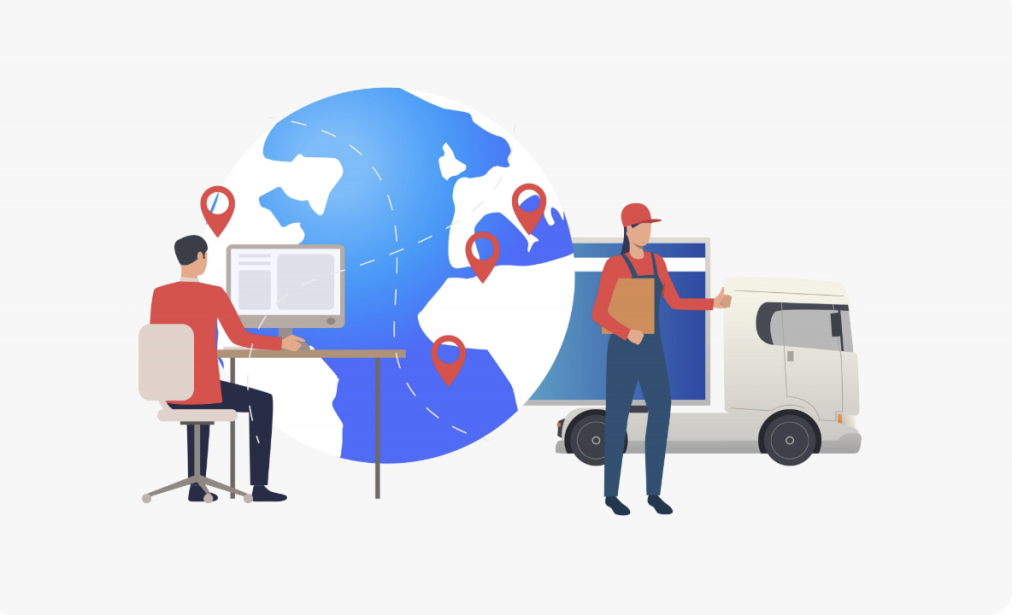
The logistics sector is undergoing a major transformation with the rise of digital freight matching. This technology connects shippers and carriers directly through intelligent online platforms. It streamlines the operations and reduces the delays common in traditional freight broking.
Digital freight matching functions much like a ride-booking app. But it entails cargo movement.
Using this tool can benefit shippers and carriers. It reduces dependency on brokers and load boards. Both parties can now directly find, negotiate, or finalize shipments.
Understanding Digital Freight Matching
It employs mobile and Web platforms to connect shippers with available carriers in real time.
Digital freight matching systems analyze data, such as:
- Route
- Capacity
- Cargo type
This enables them to automatically pair shipments with suitable trucks.
The primary advantage of digital freight matching services for shippers is quick access to dependable freight capacity. Carriers can thereby decrease empty runs and optimize their routes.
So, these systems reduce manual calls and endless emails. Consequently, you have quick, data-driven matches.
How Does Digital Freight Matching Work?
Here is a step-by-step digital freight matching process.
Load Posting
Shippers or brokers upload detailed load information on the digital platform. This includes:
- Weight and dimensions of the cargo
- Pick-up and delivery locations
- Proposed rate and timing
Load Searching
Carriers browse through loads available to them. They can view load details, assess requirements, and express their interests immediately.
Based on this, they match it to the truck type, location, and capacity.
Algorithmic Matching
The platform employs advanced algorithms to match shippers with suitable carriers. They do this as per:
- Truck capacity
- Equipment type
- Location and timing
- Shipper preferences
Rate Negotiation
Once a potential match is found, both parties negotiate the rates via offer tools. Sometimes they may do so through in-app messaging. It is a quick, transparent process. This benefits both parties by reducing the dependency on brokers.
Load Confirmation
After the two parties agree, the system generates a confirmation. Following this, key shipment details and documentation are electronically shared with the carrier.
Tracking in Real Time
Many platforms allow live shipment tracking. Shippers can view the carrier’s route and scheduled arrival. They receive updates at every stage.
Documentation and Invoicing
Upon completion of the delivery, the system generates a proof of delivery. It also automates invoice creation. This reduces paperwork and saves time.
Benefits of Digital Freight Matching
1. Better Efficiency
Automation:
- Minimizes booking and matching time
- Cuts down administrative work
- Enables faster decision-making
Shippers and carriers can instantly locate or confirm loads instead of waiting for a long time.
2. Real-Time Visibility
Users get real-time information on available capacity and market conditions. This aids in better:
- route planning
- schedule management
- service reliability
3. Cost Savings
Having a digital tool reduces the dependency on multiple intermediaries. This results in saving on commission costs for the companies.
A digital platform also auto-generates key documents such as invoices and contracts. This eliminates manual errors.
4. More Flexibility
With an extensive network, both shippers and carriers can quickly adapt to demand-related changes. Carriers can select profitable loads. Shippers can find capacity that aligns with their delivery schedule.
5. Data-Driven Insights
Artificial intelligence and machine learning sift through shipment history and performance data. They then apply the knowledge gained to suggest better load options and pricing for load matches in the future.
6. Easy Payments
Built-in gateways allow for quick and secure transactions. Some tools integrate directly with freight management tools. This ensures smooth documentation and billing.
To Sum It Up
From a shipper’s perspective, digital freight matching results in greater transparency and cost control.
For carriers, it maximizes profits and eliminates empty miles.
So, digital freight matching is creating a global freight network. It ensures every shipment finds its perfect match quickly, intelligently, and efficiently.
