

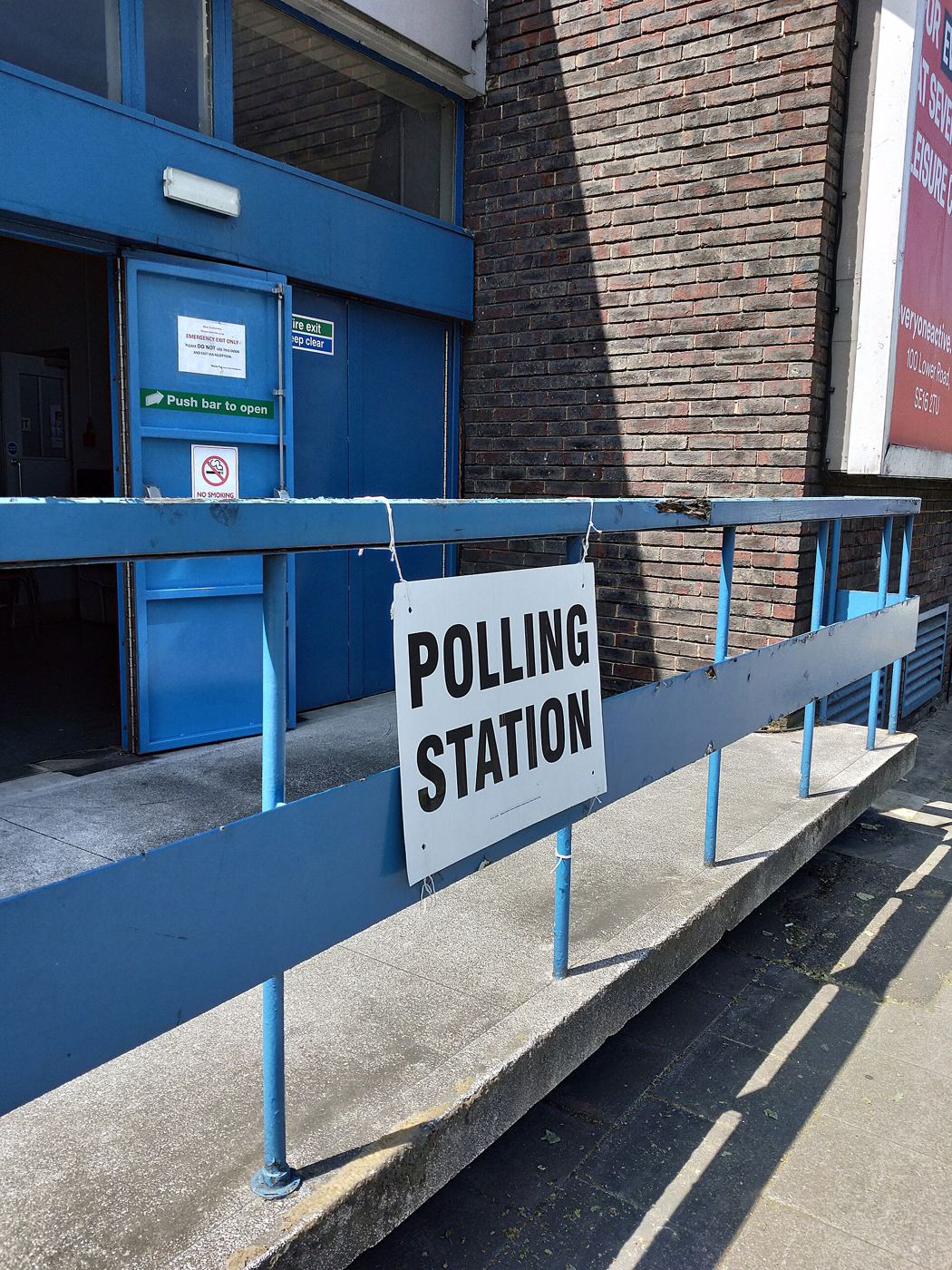
The election begins months before election day — in print shops, mail-sorting facilities and county offices where officials are preparing for what many expect to be a record season of voting by mail. The logistics are unglamorous and decisive: ballot papers ordered against registration lists, envelopes designed for machines and eyes, signature files refreshed, and counting rules rehearsed before a single vote returns.
Mail voting’s growth is a story of convenience hardening into habit. Voters who first used it during disrupted years have kept the option in large numbers, and administrators have built permanent infrastructure around it — ballot tracking that texts voters at each stage, drop boxes monitored and emptied on schedule, and curing processes that contact voters whose signatures need confirmation. Official resources such as the external source now treat postal ballots as a standard channel to be engineered, not an exception to be tolerated.
Accuracy at speed, in public
The operational tension is transparency versus the calendar. Counts that take days are not evidence of failure; they are often the legal sequence working — verification before tabulation, audits after. Officials have learned to pre-brief that reality relentlessly, publishing processing timelines in advance so that a careful count is not misread as a suspicious one.
Our civic coverage in our news section follows the other arms race: misinformation about mail ballots, which administrators now counter with tracking portals and open observation, letting any voter follow their own envelope like a parcel.
The workforce behind the forms
Elections run on temporary armies — poll workers recruited, trained and retained in a labour market that does not prize one-day-a-year jobs. Jurisdictions investing early in pay, training and physical security for staff are the ones whose seasons run boringly, which in election administration is the highest praise available.
Security, the theme of the decade, runs through the preparations invisibly: paper ballots are themselves the audit trail, and the season’s rituals now include public logic-and-accuracy tests of counting machines, risk-limiting audits after results, and chain-of-custody logs for every envelope. Officials describe the modern standard plainly — assume the count will be questioned, and build the answer into the process before the question is asked.
There is a workforce of memory being built as well. Jurisdictions are professionalising what was seasonal improvisation — permanent election staff, training academies, mutual-aid agreements between counties for surge support. The mail-vote season, like the harvests it now resembles, depends on experienced hands arriving on schedule. The calendar is fixed; the competence is accumulated in the quiet years.
When the season arrives, the contest will fill the headlines. The result, however, will have been substantially decided by preparation — in the print orders, envelope designs and rehearsed procedures of officials most voters will never hear about. More civic stories are at our homepage.
