

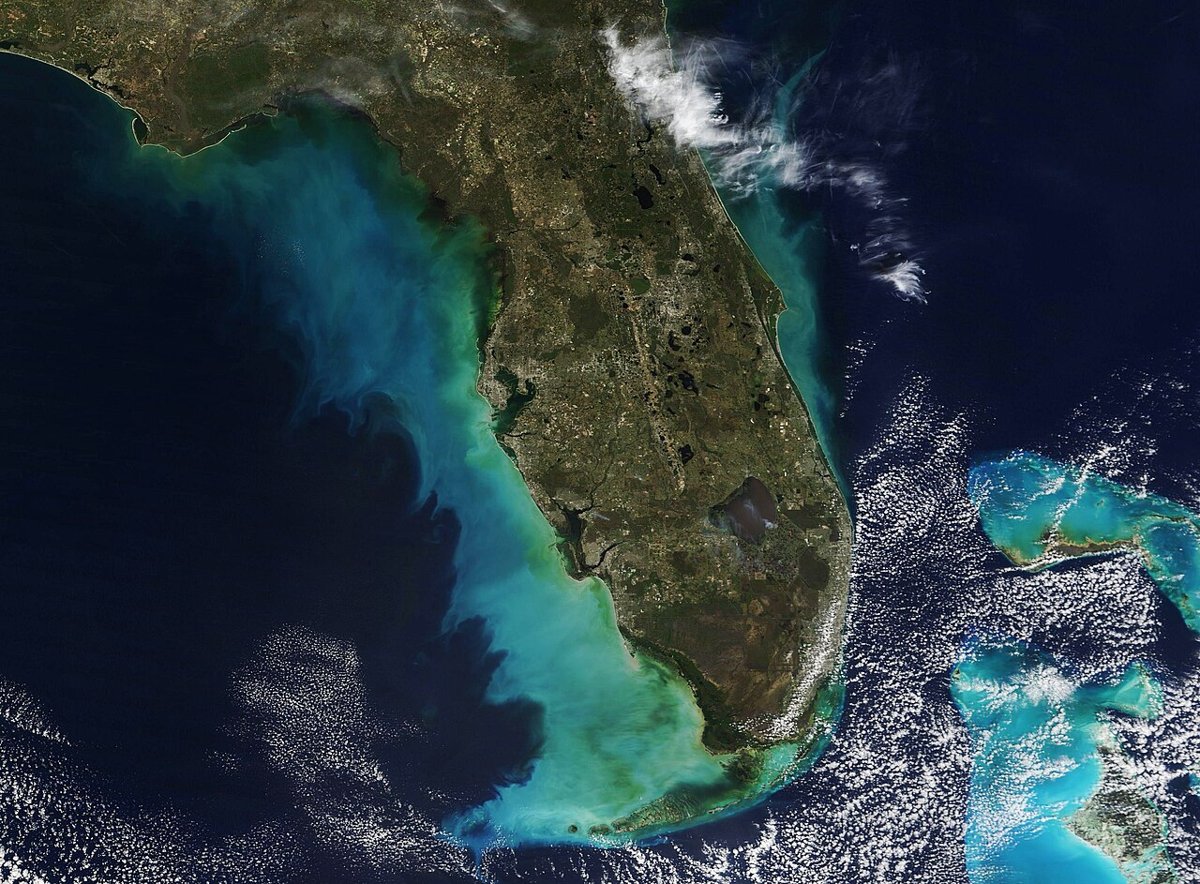
The Gulf of Mexico was supposed to be healing. A new study finds the opposite: marine life has declined dramatically in the years since the BP oil spill, despite a decade without a comparable disaster. nationalnewsfeed.com reports on the evidence, and on what it means for coasts far beyond the Gulf.
A Recovery That Never Came
More than a decade after the BP Deepwater Horizon disaster poured millions of barrels of oil into the Gulf of Mexico, a new study delivers a sobering verdict: marine life in the Gulf has not merely failed to recover, it has continued to decline dramatically in the years since the spill. For an ecosystem widely assumed to be healing, the finding reframes the disaster as a continuing event rather than a closed chapter.
The study’s importance lies in its timescale. Short-term assessments after 2010 documented acute kills and oiled shorelines, but long ecological shadows are harder to measure. By following populations across years, researchers can now separate the spill’s immediate violence from its slower effects on reproduction, food webs and habitat quality, and the picture that emerges is considerably darker than the early one.
Why It Matters Beyond the Gulf
The Gulf of Mexico supports fisheries worth billions, coastal communities whose cultures are built around seafood, and migratory species shared with the wider Atlantic and Caribbean. Its decline is therefore an economic and food-security story as well as an ecological one, and its lessons travel to every coastline where industry and rich ecosystems share the same water.
There is a regulatory lesson, too. Damage assessments and settlement funds were structured around recovery trajectories that now look optimistic. If the baseline assumption of gradual healing is wrong, then restoration targets, monitoring commitments and liability frameworks built on it need revisiting, in the Gulf and in the fine print of future spill responses everywhere.
Reading the Wider Picture
Coastal economies feel this decline in the most literal way: in smaller catches, closed seasons and the thinning of the seafood culture that defines Gulf communities. When scientists describe food-web deterioration, fishing families describe the same thing from the dock, which is why the study’s findings have landed locally as confirmation rather than surprise. Readers can follow continuing coverage on nationalnewsfeed.com as this story develops.
What the Study Tracked
Long-run monitoring in the Gulf draws on trawl surveys, fisheries data and the restoration science catalogued in NOAA’s Deepwater Horizon restoration resources. Across that evidence, the pattern the study describes is one of broad-based decline rather than a single species in trouble, which points away from local explanations and towards systemic stress on the ecosystem.
Declines spread across trophic levels are the signature scientists dread, because they suggest the base of the food web itself is impaired. When small organisms falter, everything that eats them inherits the problem, and recovery at the top cannot outrun deterioration at the bottom. That dynamic helps explain why years of reasonable weather and no repeat disaster have not produced a rebound.
The Spill’s Long Chemical Shadow
Oil does not simply vanish. Weathering breaks it down, but residues persist in sediments, marshes and the bodies of long-lived animals, while the dispersants used in 2010 changed how the oil moved through water and food webs. Research programmes including the Gulf of Mexico Research Initiative legacy work have spent years tracing those pathways, linking exposure to heart defects in fish, reproductive trouble in dolphins and degraded marsh habitat.
The Gulf also carries burdens that predate and postdate the spill: nutrient pollution feeding dead zones, coastal erosion swallowing wetlands, warming water and intense fishing pressure. The study does not load every decline onto BP alone; its harder point is that an ecosystem under this much cumulative stress has little resilience left with which to absorb a catastrophe, so the catastrophe’s effects compound instead of fading.
What Comes Next
Scientists behind long-term Gulf monitoring argue for sustained, independent funding of exactly the unglamorous survey work that made this study possible, because decline detected late is decline that can no longer be reversed cheaply. Restoration projects, from marsh rebuilding to oyster reef construction, will also be judged against a sterner standard: not whether they look green, but whether populations actually turn upward.
For the public, the study corrects a comforting story. Time alone has not healed the Gulf. Whether deliberate intervention can still bend these curves is the open question the next decade of research, and restoration spending, will have to answer with evidence rather than assumption.
Background and Expert Reaction
The study arrives in a long scientific argument about how disasters should be measured. The visible phase of the Deepwater Horizon spill, burning rigs and oiled pelicans, lasted months and dominated policy. The invisible phase, chronic exposure, habitat degradation and population decline, has lasted well over a decade and has been documented mainly by researchers patient enough to keep sampling water, sediment and wildlife long after the cameras left the Gulf coast.
Fisheries scientists and coastal advocates have received the findings less as a surprise than as documentation of what landing records and local knowledge have suggested for years. That convergence between instrument data and lived experience gives the study unusual political weight: it is harder to dismiss a decline that the people who work the water reported first and the science has now confirmed in detail.
What to watch next
Time, it turns out, was never the treatment. The Gulf’s next decade will test whether deliberate restoration can achieve what patience has not.
