

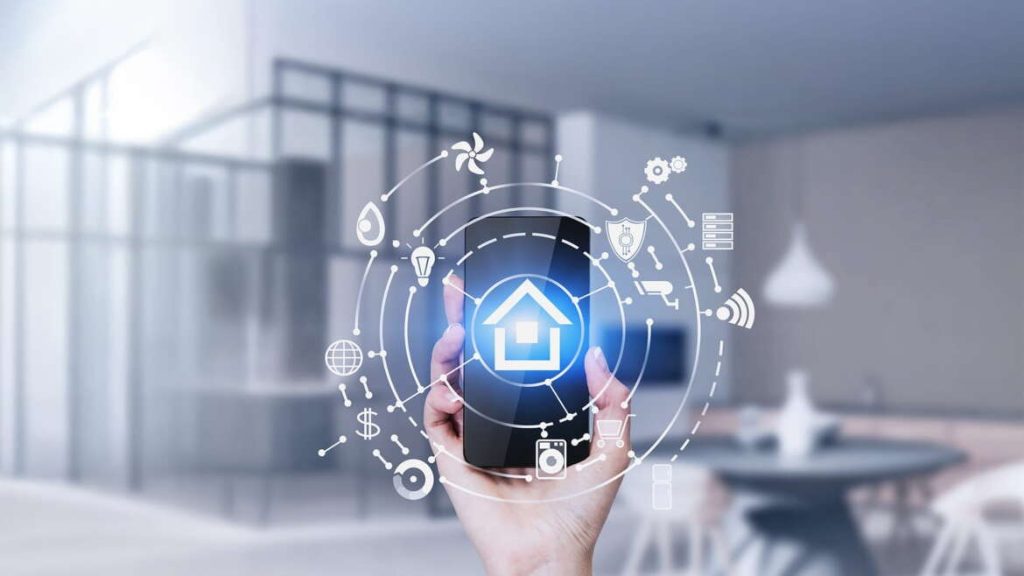
Walking into a house that adjusts the thermostat, turns on the lights, and plays your favorite music without you lifting a finger sounds like science fiction. But for many modern homeowners, it is a daily reality. Smart home technology has moved from luxury novelties to practical solutions for managing daily life. By connecting lighting, security, climate control, and entertainment into one central hub, you gain unprecedented control over your living space.
However, upgrading an entire house requires careful planning. Before jumping into a complete home automation installation, it pays to understand the logistics, costs, and choices involved.
Key Considerations Before Installation
Upgrading to a smart ecosystem requires you to evaluate a few foundational elements of your household.
Establish a Realistic Budget
Setting a budget is the first crucial step. Smart ecosystems can range from a few hundred dollars for basic, localized setups to tens of thousands of dollars for whole-house luxury systems. Knowing your financial limits helps narrow down the hardware choices.
Prioritize Your Needs
Decide what you actually need the system to do. Do you travel often and need robust, remote security monitoring? Are you looking for seamless multi-room audio for entertaining? Identifying your main goals prevents you from overspending on flashy features you will rarely use.
Ensure Compatibility
Ensure the devices you choose can communicate with each other. A fragmented system causes endless frustration. Look for common connectivity protocols like Zigbee, Z-Wave, or the newer Matter standard to ensure your smart locks can talk to your smart lights.
The Home Automation Installation Process
A full home automation installation is rarely a one-hour job. It usually begins with a thorough site survey by a technician. They will assess your home’s wiring, Wi-Fi coverage, and structural layout to identify any potential dead zones.
Depending on the complexity of your chosen system, the physical work might involve running new cables behind walls, replacing standard electrical outlets with smart switches, and configuring the central hub. Be prepared for a few days of minor disruptions while the crew gets everything connected, synced, and thoroughly tested.
Choosing the Right System and Professionals
You might be tempted to take the DIY route, but a comprehensive setup usually requires expert help. Look for certified technicians who specialize in home automation installation.
Ask potential installers about their experience with specific ecosystems, such as Control4, Savant, or Crestron. Furthermore, ensure they offer post-installation support. A great smart system is only as reliable as the network it runs on, so your professional should also emphasize upgrading your home Wi-Fi router and switches to handle the increased digital traffic.
Benefits Beyond Convenience
While asking a voice assistant to dim the living room lights is fun, the real value of these systems lies elsewhere.
Smart thermostats learn your daily schedule and adjust temperatures to reduce energy waste, which can significantly lower your monthly utility bills over time. Additionally, connected security cameras, smart locks, and water leak detectors offer a proactive approach to protecting your property. You receive instant alerts on your phone if something goes wrong, giving you total peace of mind no matter where you are.
Making an Informed Decision for Your Smart Home
Transforming your house into a responsive, connected environment is a major upgrade. By setting a realistic budget, understanding the nuances of the home automation installation process, and hiring the right experts, you set yourself up for long-term success. Take the time to research your options, outline your daily routines, and enjoy the smooth transition into a smarter, more efficient living space.