

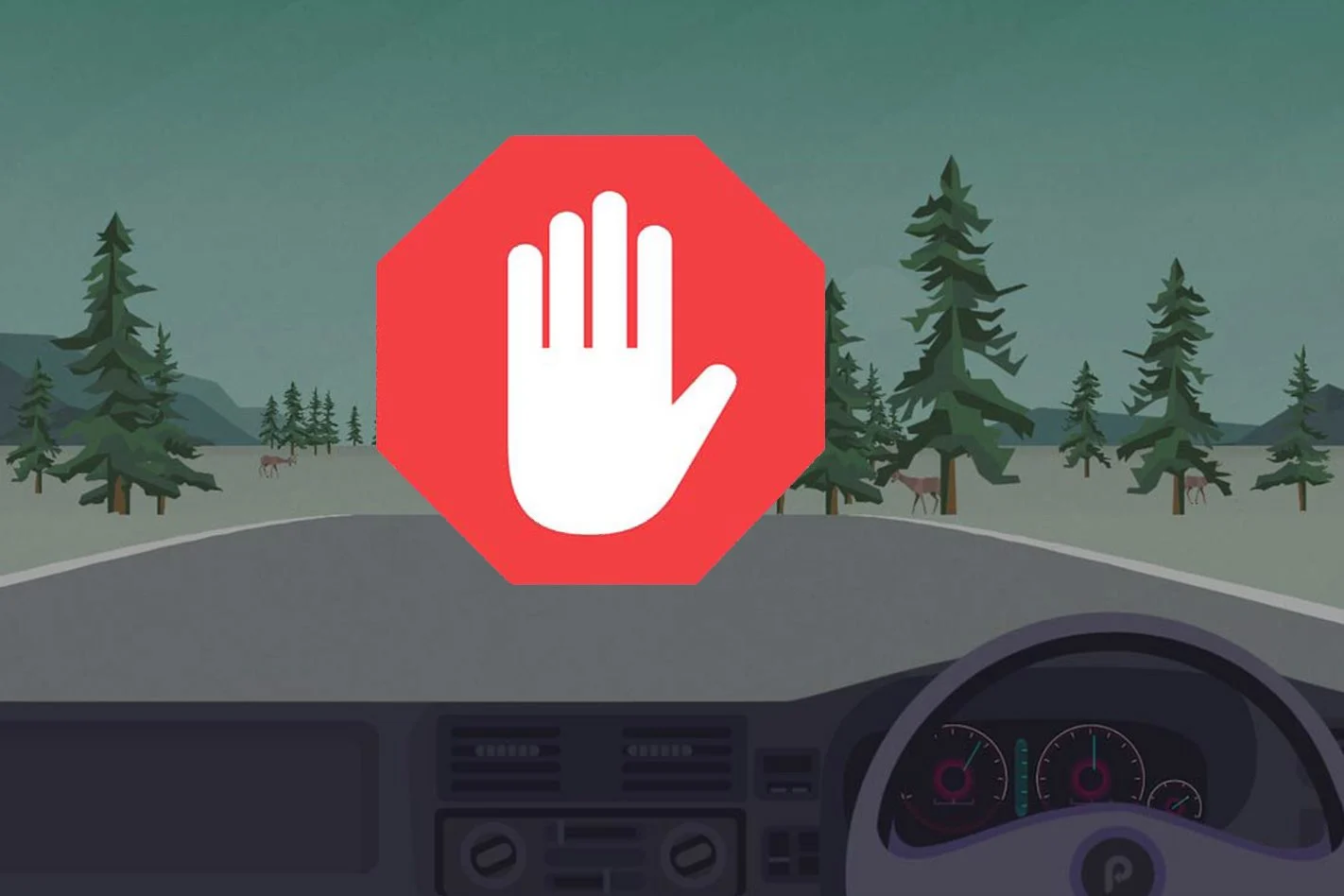
Driving is a skill that demands attention, quick thinking, and fast reflexes. While many people focus on traditional methods to enhance their driving, such as taking courses or practicing on the road, there’s an unexpected tool gaining attention: car games. These interactive experiences are more than just entertainment; they offer a unique way to improve reaction time, decision-making, and hand-eye coordination, all of which are essential for safe driving. In this article, we will explore how car games can help sharpen driving skills, the types of games that are most effective, and tips to maximize their benefits.
The Connection Between Gaming and Driving Skills
At first glance, car games might seem unrelated to real-world driving. After all, racing a virtual car on a console or smartphone is very different from navigating a busy city street. However, research shows that certain types of gaming can enhance cognitive abilities directly linked to driving. When playing car games, players must react to rapidly changing environments, anticipate the movement of other vehicles, and make split-second decisions. These situations simulate real-world driving challenges, such as avoiding collisions, braking in time, or responding to sudden obstacles. Over time, this kind of practice can help improve a driver’s reaction speed and accuracy.
Moreover, car games often demand sustained attention. Unlike some casual games that allow pauses or slow progression, racing or simulation games require players to maintain focus for extended periods. This continuous engagement mirrors the mental demands of real driving, helping to train the brain to process information more efficiently and react faster when faced with unexpected events on the road.
Types of Car Games That Enhance Reaction Time
Not all car games are created equal when it comes to improving driving-related skills. Some games focus primarily on entertainment, while others are designed with simulation and realistic physics that mimic actual driving conditions. Racing simulators, for example, provide a near-real driving experience, including speed, braking, and handling nuances. These games challenge players to make quick decisions, avoid obstacles, and respond to changing track conditions, all of which can translate to better reaction time behind the wheel.
Arcade-style car games can also be beneficial, even though they are less realistic. These games typically involve fast-paced environments, sharp turns, and sudden hazards that require immediate action. By playing these games, drivers can train their reflexes and improve hand-eye coordination in a fun, low-pressure setting. Additionally, multiplayer car games that involve racing against opponents encourage strategic thinking and rapid response to unpredictable behaviors, which mirrors the dynamic nature of real traffic scenarios.
Simulation games with customizable difficulty levels are particularly effective for gradual skill development. Players can start with slower speeds or simpler tracks and gradually progress to more complex scenarios. This incremental challenge helps the brain adapt to increasingly fast-paced environments, reinforcing neural pathways responsible for quick decision-making and reflexes.
Cognitive Benefits Beyond Reaction Time
While the most obvious advantage of playing car games is faster reaction speed, the cognitive benefits extend much further. Car games improve spatial awareness, which is essential for judging distances between vehicles, gauging turns, and navigating tight spaces. Players learn to process multiple visual cues simultaneously, a skill that directly translates to situational awareness on the road.
Furthermore, car games often require multitasking, such as controlling speed, steering accurately, and monitoring other cars. This mental exercise strengthens executive function, enhancing a driver’s ability to prioritize tasks and make sound decisions under pressure. The improved mental flexibility gained through gaming can reduce reaction time and help drivers remain calm in challenging situations, such as sudden stops or unexpected obstacles.
Decision-making skills are also honed through gameplay. In racing or pursuit scenarios, players must quickly weigh risks and rewards, deciding whether to overtake, brake, or take an alternate route. These split-second judgments mimic real-world driving decisions, fostering confidence and better judgment on the road. Even in games with less realistic environments, the constant need to anticipate hazards and adjust strategies helps build reflexive decision-making abilities.
How to Incorporate Car Games Into Driving Practice
To gain real benefits from car games, it is important to approach them strategically rather than casually. Start by choosing games that challenge reflexes and provide realistic driving scenarios. Spending just 20 to 30 minutes a day on these games can be enough to see improvements over time, as long as the practice is consistent.
It’s also beneficial to focus on games that offer variable difficulty levels. Gradually increasing the challenge prevents stagnation and ensures continuous development of reaction time. Gamers should pay attention to accuracy as well as speed. Quick reactions are valuable, but the ability to respond correctly under pressure is what truly improves real-world driving skills.
Additionally, integrating gaming with other training methods can maximize benefits. For instance, combining car games with practical driving lessons or defensive driving courses reinforces skills in both virtual and real environments. Some advanced driving simulators even allow players to use realistic controls, pedals, and steering wheels, bridging the gap between gaming and actual driving experience.
It’s worth noting that while car games can improve certain cognitive and motor skills, they should never replace actual driving practice. The goal is to supplement training, sharpen reflexes, and enhance mental readiness for real-world situations. Using games as part of a broader skill-building strategy ensures a balanced approach that is both safe and effective.
The Role of Technology in Enhancing Training Through Car Games
Advances in gaming technology have made car games more effective than ever as a training tool. Virtual reality (VR) driving simulators, for example, immerse players in lifelike environments where speed, weather conditions, and traffic patterns are replicated with precision. This immersive experience heightens cognitive engagement and strengthens reflexive responses, creating a training effect that is difficult to achieve through conventional gaming alone.
Augmented reality (AR) applications are also emerging as innovative tools for driver training. AR overlays virtual objects onto real-world environments, allowing players to practice reaction skills in a controlled but realistic setting. These applications can simulate hazards, unexpected pedestrian crossings, or sudden traffic changes, giving players the chance to respond in real time.
Even traditional console and PC car games continue to evolve, with enhanced physics engines, realistic vehicle behavior, and more dynamic traffic systems. These features ensure that players are challenged in ways that closely mimic real driving, increasing the effectiveness of gameplay as a cognitive training tool. By leveraging these technological advances, drivers can enhance reaction times, improve decision-making, and build confidence behind the wheel in a safe, controlled environment.
Conclusion
Car games are more than just a source of entertainment; they are a valuable tool for improving reaction time and other essential driving skills. From enhancing reflexes and hand-eye coordination to boosting spatial awareness and decision-making, the cognitive benefits of playing car games are well-documented. By choosing the right types of games, practicing consistently, and integrating gaming with real-world driving training, drivers can sharpen their mental and motor skills in a way that translates directly to safer, more confident performance on the road. Whether through racing simulators, arcade-style challenges, or immersive VR experiences, car games provide an engaging, effective method to prepare for real driving scenarios and respond quickly to unexpected events.
Car games, when used thoughtfully, offer a modern approach to skill development that complements traditional driving education. As technology continues to evolve, the potential for these games to enhance driving performance will only grow, making them an exciting addition to any driver’s training toolkit.
